Thinking about Hyde Park and wondering if it fits the way you want to live? That is a smart question, because Hyde Park offers a very specific blend of historic character, walkable conveniences, and close-in Tampa access that feels different from many other South Tampa areas. If you are comparing neighborhoods, planning a move, or preparing to buy or sell in this part of the city, this guide will help you understand what daily life here really looks like. Let’s take a closer look.
Why Hyde Park Stands Out
Hyde Park is one of Tampa’s oldest existing neighborhoods, and that history still shapes the area today. The City of Tampa places it just west of Downtown, across the Hillsborough River, with tree-shaded streets, historic homes, and immediate access to Bayshore Boulevard.
What makes Hyde Park feel distinctive is the combination of old and new. You have a historic residential setting, but you also have an active commercial core in Hyde Park Village that adds shopping, dining, errands, and everyday convenience without losing the neighborhood feel.
For many buyers, that mix is the draw. You are not choosing between charm and location or between character and convenience. In Hyde Park, those features tend to come together in one place.
Hyde Park Location and Access
One of Hyde Park’s biggest advantages is where it sits in relation to the rest of Tampa. The neighborhood is immediately west of Downtown, which gives you a close-in location near the city’s business and cultural core while still living in a lower-scale residential setting.
The area is also known for easy access to Bayshore Boulevard. If you value outdoor time, scenic routes, or simply being near one of Tampa’s best-known waterfront corridors, that proximity adds to the neighborhood’s lifestyle appeal.
From a practical standpoint, Hyde Park works well for people who want a central address. The official city description supports a view of the area as connected, established, and amenity-rich rather than spread out or suburban in feel.
Daily Life in Hyde Park
Hyde Park Village at the Center
Hyde Park Village serves as the neighborhood’s compact mixed-use hub. Its official description frames it as a six-block destination with local boutiques, national brands, culinary options, Fresh Market, and a boutique hotel.
That matters because it shapes how the neighborhood functions day to day. Instead of relying on a long drive for every small task, you have a concentrated area designed for shopping, dining, and everyday stops in one place.
The Village also includes designated parking garages, surface lots, on-street parking, and valet. For residents and visitors alike, that infrastructure supports the area’s role as both a lifestyle destination and a practical errands hub.
A Walkable, Amenity-Rich Feel
The safest way to describe Hyde Park’s lifestyle is compact and convenient. The City of Tampa highlights heavily shaded streets and immediate access to major local landmarks, while Hyde Park Village emphasizes strolling through its retail and dining area.
That creates a setting many people associate with a more urban neighborhood lifestyle. You may find it especially appealing if you want a residential environment that still gives you easy access to coffee shops, boutiques, groceries, and restaurants nearby.
Outdoor Access and Neighborhood Atmosphere
Hyde Park’s tree canopy plays a big role in the neighborhood’s feel. The shaded streets help create a more established, residential atmosphere, especially on the interior blocks.
Being close to Bayshore Boulevard adds another layer to the lifestyle. Even without describing a single routine for every resident, it is fair to say the area offers convenient access to one of Tampa’s most recognizable outdoor corridors.
Hyde Park Homes and Architecture
Historic Character With Variety
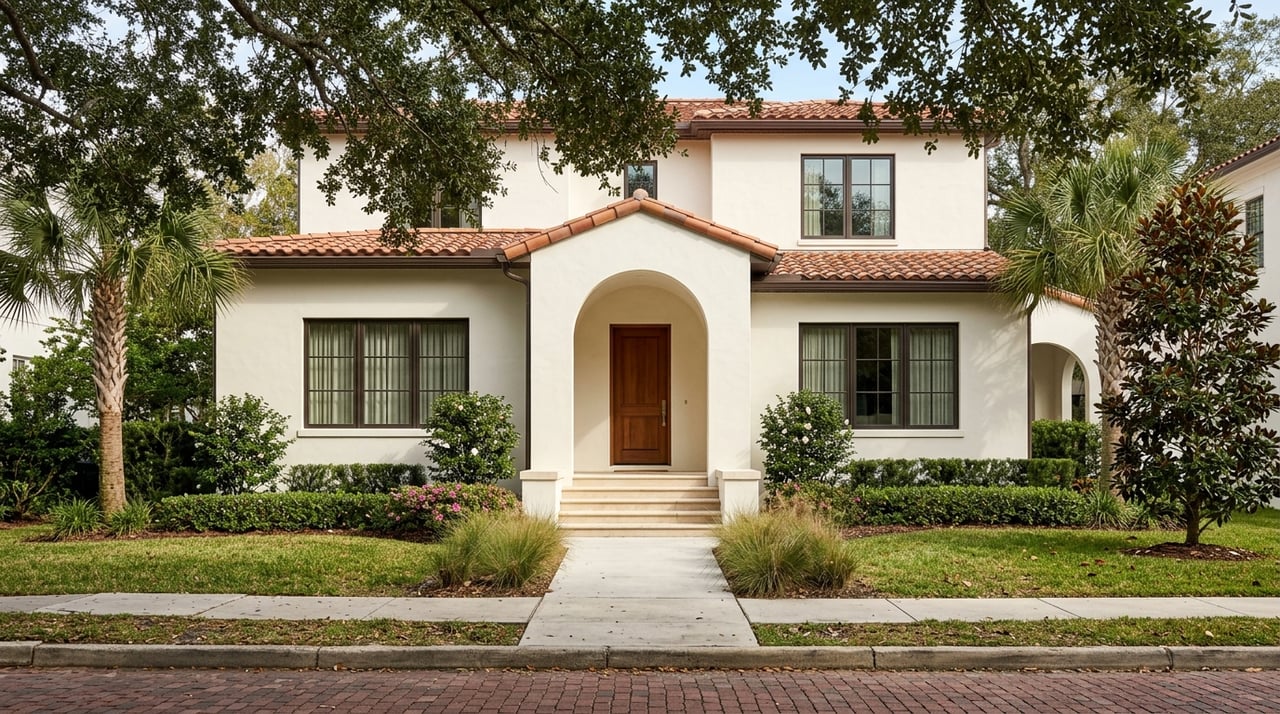
Hyde Park is not defined by just one home style. City materials describe it as a combination of yesterday and today, with historic homes that have undergone intensive renovation and a broad mix of styles, sizes, and ages.
That variety is part of the appeal. Rather than seeing one uniform architectural pattern from block to block, you will find a neighborhood with layers of history and a wide visual range.
Common Architectural Styles
Official city materials identify several architectural influences found in Hyde Park, including:
- Queen Anne
- Tudor
- Classical
- Colonial
- French Second Empire
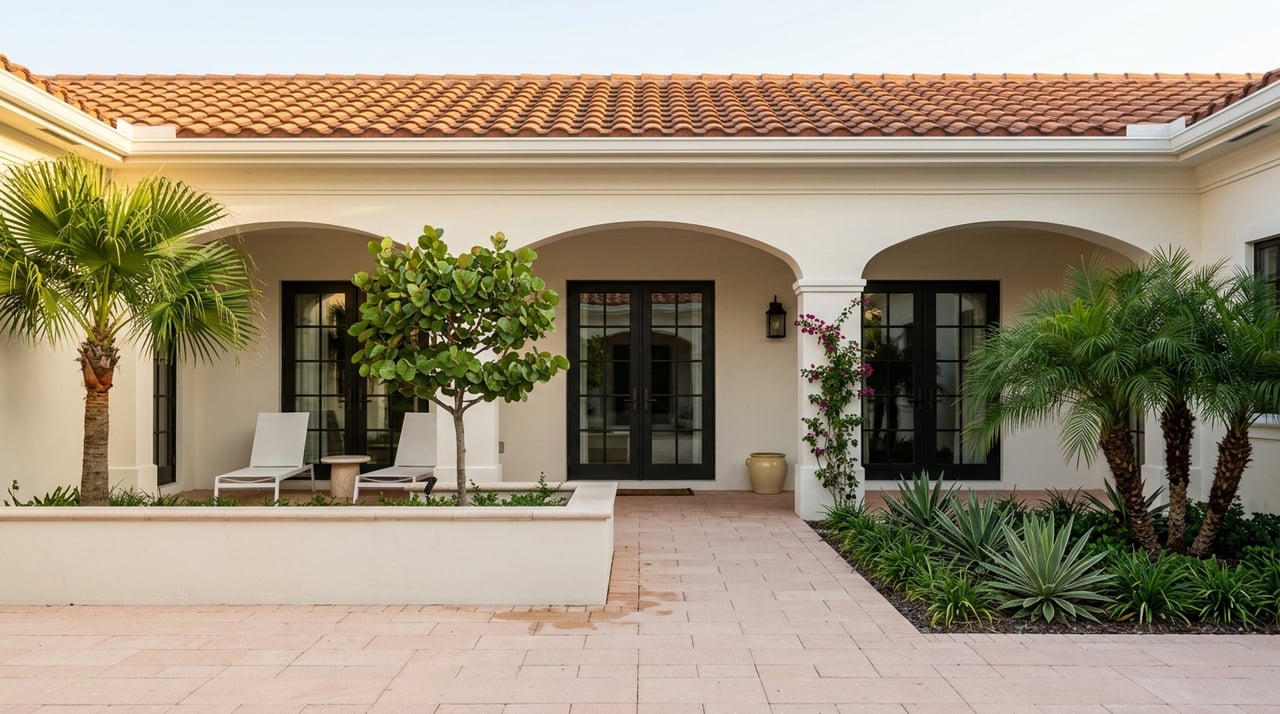
- Mediterranean
- Prairie
Those styles reflect the area’s long development history and its early-20th-century roots. If you enjoy homes with visual character and distinct design details, Hyde Park offers more architectural diversity than many newer neighborhoods.
Materials and Exterior Details
City resources also note common building materials such as wood siding, brick, stucco, stone, and rusticated masonry. Stucco is especially associated with Mediterranean Revival buildings in the district.
For buyers, this means the neighborhood often feels textured and visually rich. For sellers, it is a reminder that architectural character is not just background scenery in Hyde Park. It is part of what defines the area’s identity.
How Hyde Park Feels Block to Block
Hyde Park reads as a broader historic area rather than one perfectly uniform pocket. Based on the city’s descriptions of the historic core, the retail center, and the expanded district, the neighborhood is best understood as a spectrum.
The older interior streets tend to feel more historic and residential. These blocks are where the tree-shaded character and traditional neighborhood atmosphere are often most noticeable.
Closer to Hyde Park Village, the feel becomes more active and convenience-oriented. You are still in Hyde Park, but the energy shifts as you move toward the neighborhood’s commercial center.
The northward-expanded historic district broadens the overall mix of housing stock and street character. That gives Hyde Park a wider range of settings than some buyers initially expect when they only know the name from the Village or a few landmark streets.
The Historic District Matters
What Changed in the District
In 2023, the City of Tampa expanded the Hyde Park Historic District northward by 184 buildings. The expansion included parts of Hyde Park Spanishtown Creek and the Historic Hyde Park Neighborhood Association area.
That update matters because it reinforces Hyde Park’s identity as a preserved and actively managed historic area. It also means more properties fall within a district where design standards and review can shape exterior changes and development.
Why Buyers Should Pay Attention
If you are considering a home in the historic district, it is important to understand that exterior work may be subject to review. The Architectural Review Commission evaluates development in the district using design guidelines and preservation standards.
For a buyer, that can be an advantage if you value neighborhood character and continuity. It also means you will want clear guidance if you are thinking about future exterior renovations or additions.
Why Sellers Should Pay Attention
For sellers, the historic-district context can shape how your property is positioned and how buyers view it. A home’s character, updates, and relationship to district guidelines may all be relevant to the conversation.
The city’s guidelines address topics such as scale, massing, setbacks, alignment, rhythm and spacing, materials, trim and detail, window patterns, porch projections, roof forms, and site elements like fences and street lights. In a neighborhood like Hyde Park, those details can matter more than they would in a typical non-historic setting.
Who Hyde Park Often Appeals To
Hyde Park tends to attract people looking for three things at once: a close-in location, historic character, and everyday convenience. That combination is one reason the neighborhood gets so much attention in South Tampa.
The city’s placement of Hyde Park near Downtown, along with the concentrated amenities of Hyde Park Village, supports the idea that the area appeals to buyers who want an urban-neighborhood lifestyle without a high-rise environment. For relocators especially, that can be a useful distinction.
If you are moving from out of town, Hyde Park can be easier to understand once you think of it as a lifestyle choice as much as a home search. The neighborhood offers a strong sense of place, but it also gives you practical access to the parts of Tampa many buyers use regularly.
What This Means for Your Move
If you are buying in Hyde Park, it helps to narrow your priorities early. Some buyers care most about historic architecture and quieter interior streets, while others want to be closer to Hyde Park Village and the neighborhood’s daily conveniences.
If you are selling, it is important to understand how buyers experience Hyde Park beyond the property itself. Street character, architectural style, proximity to the Village, and historic-district context can all shape how your home is perceived.
That is where local guidance makes a difference. In a neighborhood with this much nuance, the right strategy is rarely just about square footage or basic location. It is about how the home fits into the larger Hyde Park story.
Whether you are relocating, moving across Tampa, or preparing to sell a distinctive property, working with a team that understands both neighborhood lifestyle and positioning can help you make more confident decisions. If you are exploring Hyde Park or planning your next move in South Tampa, connect with Gasparilla Gulf Estates for thoughtful, local guidance.
FAQs
What is Hyde Park in Tampa known for?
- Hyde Park is known for its historic homes, shaded residential streets, proximity to Downtown Tampa, immediate access to Bayshore Boulevard, and the compact shopping and dining hub at Hyde Park Village.
What is Hyde Park Village in Tampa?
- Hyde Park Village is a six-block mixed-use district in Hyde Park with boutiques, national brands, food and beverage options, Fresh Market, a boutique hotel, and several parking options.
What types of homes are common in Hyde Park Tampa?
- Hyde Park includes a mix of historic homes and renovated properties with architectural influences such as Queen Anne, Tudor, Classical, Colonial, French Second Empire, Mediterranean, and Prairie styles.
Does the Hyde Park Historic District affect home updates?
- Yes. In the historic district, exterior work and development may be reviewed by the City of Tampa’s Architectural Review Commission under formal design guidelines and preservation standards.
How does Hyde Park feel from block to block?
- Hyde Park generally feels more historic and residential on older interior streets, more active near Hyde Park Village, and more varied across the northward-expanded district.
Is Hyde Park close to Downtown Tampa?
- Yes. The City of Tampa places Hyde Park immediately west of Downtown, across the Hillsborough River, making it one of the city’s close-in residential neighborhoods.